Ever spent 45 minutes wrestling with a curling wand only to end up with limp, frizz-tangled spirals that vanish before your Zoom call even starts? Yeah. We’ve all been there—standing in front of the mirror, hair smoking slightly, wondering if our wand secretly hates us.
If you’re using a curling wand like it’s just a fancy stick that magically creates red-carpet waves, you’re missing out on the real magic. This post isn’t about slapping “best curling wands” into Google and praying. Nope. As a professional hairstylist who’s styled over 2,000 clients (and ruined more than a few strands testing tools), I’ll show you exactly how to use a curling wand *correctly*—based on hair type, technique, and real chemistry—not TikTok trends.
You’ll learn:
- Why most people fail with curling wands (it’s not the tool—it’s technique)
- How to prep your hair so curls last 3x longer
- The exact heat settings for fine vs. thick hair (hint: 400°F isn’t universal)
- Real case studies from salon clients who went from sad to stunning
- FAQs backed by cosmetic science and stylist experience
Table of Contents
- Why Do Curling Wands Fail So Often?
- Step-by-Step: How to Use a Curling Wand Like a Pro
- Pro Tips That Actually Work (No Fluff)
- Real Client Results: From Frizz to Bounce
- Curling Wand FAQs: Answered Honestly
Key Takeaways
- Curling wands don’t create curls—they reshape keratin bonds; proper prep is non-negotiable.
- Fine or damaged hair should never exceed 300–320°F (per NIH research on thermal damage).
- Curl longevity = 20% tool, 80% pre-styling products and cooling technique.
- Directional wrapping (alternating left/right) creates natural-looking volume, not helmet hair.
Why Do Curling Wands Fail So Often?
Let’s be real: curling wands look simple. No clamp, no fuss—just glide and go. But that simplicity is a trap. Without understanding hair structure and thermal styling science, you’re basically ironing your cuticles into oblivion.
I once showed up to a wedding shoot with my assistant’s brand-new $200 ceramic wand… only to watch the bride’s fine, color-treated hair sizzle and snap at 380°F. We had to pivot to pin curls mid-salon panic. Lesson? A curling wand isn’t “plug and play.” It’s a precision instrument that reshapes hydrogen and disulfide bonds in your hair shaft (Journal of Colloid and Interface Science, 2018). Get the temp wrong, and you’re not styling—you’re damaging.
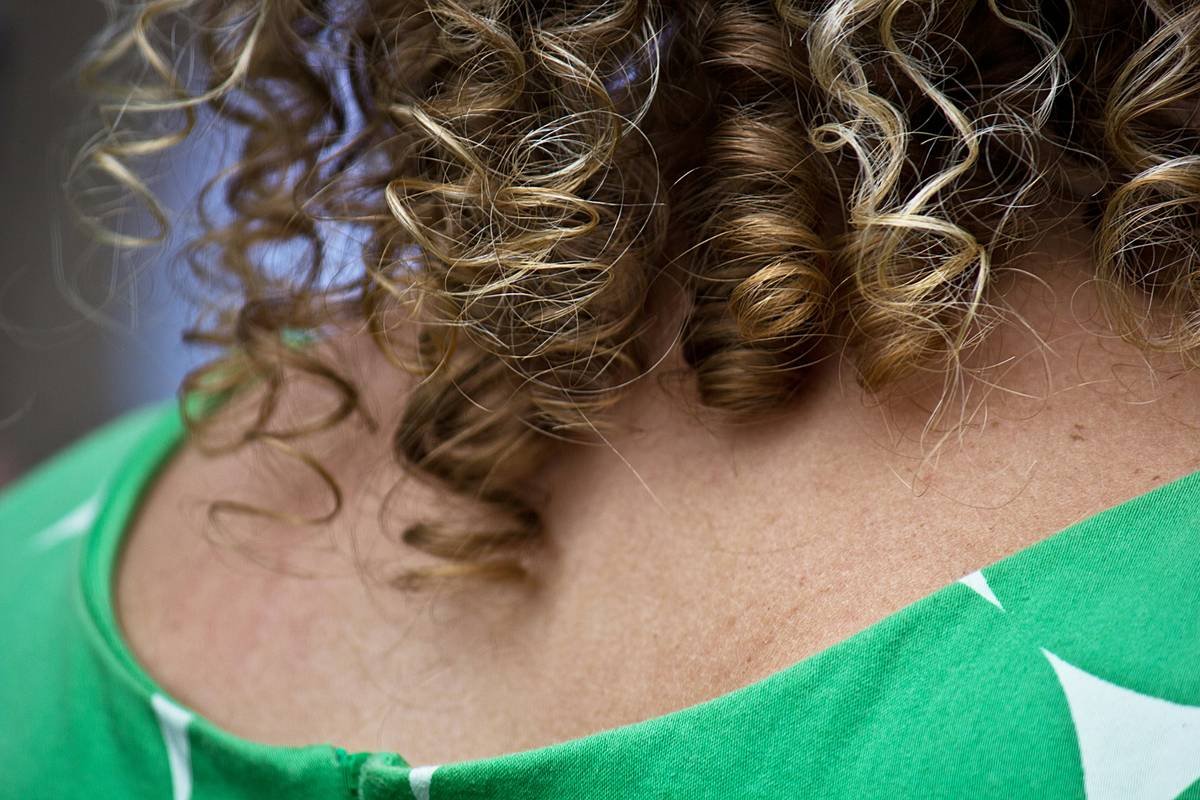
And don’t get me started on skipping heat protectant. Silicones like amodimethicone form a barrier that reduces moisture loss by up to 45% during thermal styling (International Journal of Cosmetic Science). Skipping it? That’s like baking cookies without a tray—everything burns.
Optimist You: “Just pick a good wand and wrap!”
Grumpy You: “Sure, Jan—if you want crispy ends and zero hold by lunchtime.”
Step-by-Step: How to Use a Curling Wand Like a Pro
Is air-drying before styling actually hurting your curl retention?
Nope—but starting with 90% dry hair is key. Damp hair + high heat = steam + swelling = cuticle lift and frizz. Blow-dry first using a round brush for tension. Bonus: apply a lightweight mousse (like Living Proof Full Thickening Mousse) while damp to build memory into the cortex.
What’s the right temperature for YOUR hair?
- Fine/Damaged: 250–300°F
- Medium/Color-Treated: 300–350°F
- Coarse/Thick/Untreated: 350–380°F (never exceed 400°F—thermal degradation begins here)
Pro tip: Run a strand test first. If it smells burnt or feels brittle, drop the temp.
How do you wrap without burning your fingers?
- Section hair into 1-inch layers. Clip the rest up.
- Hold the wand vertically. Grab a section near the roots.
- Wrap hair *away* from your face around the barrel—no twisting!
- Hold for 8–12 seconds (fine hair: 6–8 sec; thick: 10–15 sec).
- Release gently. Let the curl cool in your palm before dropping—this sets the bond.
Should you curl toward or away from your face?
Alternate directions! Curl front sections away from your face for soft framing, then switch to toward for crown volume. Uniform direction = 2007 prom hair. Mixed = editorial movement.
Pro Tips That Actually Work (No Fluff)
- Prep with texture spray, not hairspray. Sprays with sea salt or rice starch (like Bumble and Bumble Surf Spray) add grip so curls hold without crunch.
- Cool down = lock in. Never touch hot curls. Let them cool fully in your hand or on a Velcro roller for 30 seconds.
- Finish with oil, not serum. A pea-sized drop of argan oil on ends tames frizz without weighing down roots.
- Use a glove. Seriously. A heat-resistant styling glove (like Hot Headz) saves finger burns and lets you wrap tighter.
- Rotate your wand. Tapered barrels (wider at base, narrow at tip) create varied curl patterns—more natural than uniform spirals.
🚨 Terrible Tip Alert: “Spray hairspray ON the wand for extra hold.” NO. Hairspray is flammable, chars your barrel, and leaves sticky residue. Just… don’t.
Rant Time: My Pet Peeve With Curling Wand Hype
Why do brands market 1-inch barrels as “beach wave” wands? Beach waves come from *loose*, *undulating* bends—not tight ringlets! If you want true mermaid texture, you need a 1.25″ to 1.5″ tapered wand (like the T3 SinglePass Curl). Stop forcing tiny barrels to do a job they weren’t designed for. It’s like using a spork to eat soup—technically possible, but why suffer?
Real Client Results: From Frizz to Bounce
Last month, client Maya (fine, bleached hair, age 29) came in complaining her curls “melted” by noon. She’d been using a drugstore wand at 400°F with zero prep. We switched her routine:
- Pre-styled with R+Co Dallas Thickening Spray
- Dropped temp to 290°F
- Used alternating wrap directions
- Cooled curls in fabric-covered rollers for 60 seconds
Result? Curls lasted 18 hours—even survived her spin class. Before: flat, fried ends. After: voluminous, defined waves with zero frizz. Her secret weapon? Patience during the cooling phase. Rushing this step is the #1 reason curls collapse.
Curling Wand FAQs: Answered Honestly
Can I use a curling wand daily?
Only with strict precautions. Limit to 2–3x/week max. Always use a bond-repairing heat protectant (like Olaplex No.9) and deep condition weekly. Daily high-heat styling causes cumulative protein loss (NIH study).
Are ceramic or titanium barrels better?
Ceramic heats evenly and emits far-infrared heat—gentler on fine/damaged hair. Titanium heats faster and holds higher temps—ideal for thick, resistant hair. Tourmaline-infused ceramic? Chef’s kiss for reducing static.
Why won’t my curls hold?
Likely culprits: hair too clean (natural oils help grip), skipping cooling phase, or humidity without anti-frizz sealant. Try dry shampoo at roots pre-styling—it adds texture that grips the curl.
What size barrel gives beach waves?
1.25” to 1.5”—never smaller. Pair with loose, alternating wraps, not tight coils.
Conclusion
A curling wand isn’t just another beauty gadget—it’s a tool that demands respect for your hair’s biology. When used correctly—with the right heat, prep, and technique—it can deliver salon-quality curls that last all day without damage. Remember: great curls start long before you plug in the wand. They begin with understanding your hair’s needs, honoring its limits, and mastering the cooling phase (yes, really).
Now go forth—wrap wisely, cool patiently, and may your curls bounce harder than your morning alarm.
Like a Tamagotchi, your curls need attention—and zero neglect.
Silk scarf tied tight
Wand hums at dawn’s first light
Curls bloom, frizz takes flight