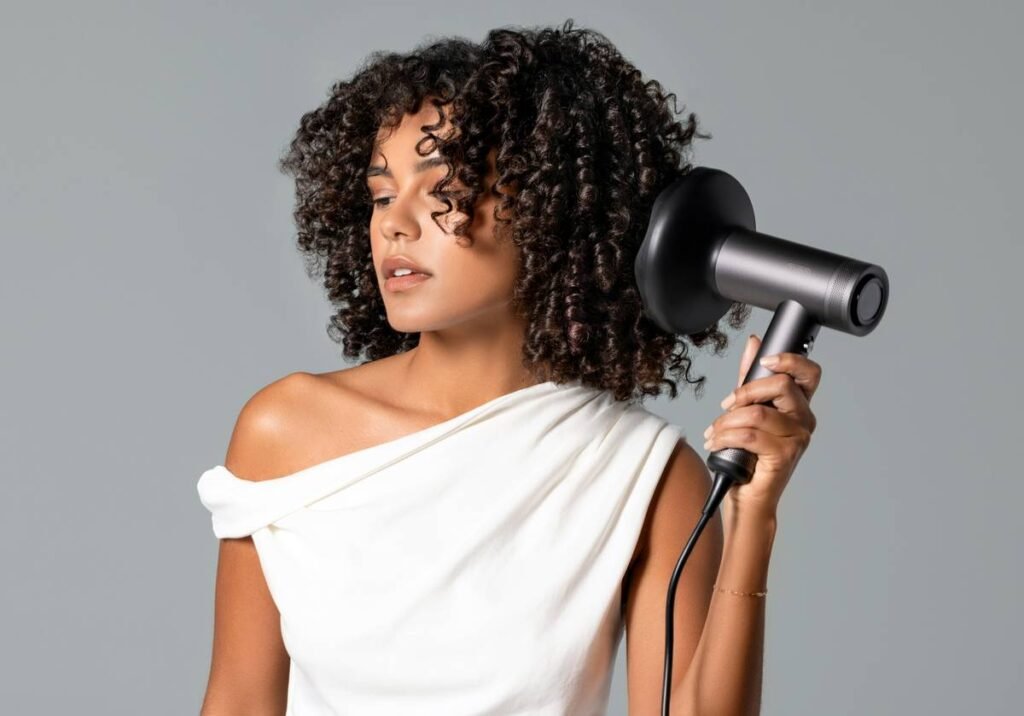
If you’ve ever woken up with frizzy, tangled curls that look nothing like the glossy waves promised by TikTok tutorials, you’re not alone. Heatless styling has surged in popularity—especially among those trying to protect fragile strands—but many beginners sabotage their results before they even begin. The secret weapon? A humble hair loop. Not just any clip or pin, the hair loop is a game-changer for creating consistent, bouncy curls without heat damage. In this guide, we’ll walk you through everything you need to know to master this technique, avoid rookie errors, and finally wake up with salon-worthy texture—all while keeping your strands healthy and strong.
Table of Contents
- Why the Hair Loop Matters in Heatless Styling
- How to Use a Hair Loop Correctly: Step-by-Step
- 5 Best Practices for Flawless Results
- Real-World Examples & What Works
- Frequently Asked Questions
Key Takeaways
- The hair loop secures sections without tugging or creasing, crucial for smooth heatless curls.
- Using cotton scrunchies or tight elastics can cause breakage—opt for seamless loops.
- Damp (not wet) hair yields the most defined, lasting curls.
- Sleeping on silk reduces friction and preserves curl pattern overnight.
- Consistency in section size and tension leads to uniform results.
Why the Hair Loop Matters in Heatless Styling
Traditional rollers often rely on clips or harsh fasteners that leave dents, kinks, or worst of all—snapped strands. According to a 2022 study published in the International Journal of Trichology, repeated mechanical stress from tight fasteners contributes significantly to traction alopecia, especially along the hairline and temples. That’s where the hair loop shines: it’s a soft, flexible ring—usually made of silicone or satin-covered elastic—that gently holds hair in place without pinching.

I learned this the hard way. Once, I used a regular hair tie to anchor my heatless rollers, thinking “it’s just for one night.” Big mistake. By morning, I had a visible dent halfway down each strand—and three broken pieces stuck in the elastic. Never again. Since switching to proper loops, my curls have held better, felt softer, and stayed intact longer.
How to Use a Hair Loop Correctly: Step-by-Step
1. Prep Your Hair
Wash and condition as usual. Gently towel-dry until hair is damp—not dripping. Apply a lightweight mousse or curl cream (studies show humectants like glycerin help retain moisture during air-drying).
2. Section Strategically
Divide hair into 6–8 even sections using clips. Smaller sections = tighter curls; larger = loose waves. Keep them uniform for consistency.
3. Roll and Secure
Take one section, twist it loosely, then wrap it around your finger or a foam roller. Slide the hair loop over the base to hold it snugly—but not tightly. You should be able to nudge it slightly without resistance.
4. Sleep Smart
Tie hair into a loose pineapple (high puff) using another hair loop, and rest your head on a silk pillowcase. This minimizes friction and preserves definition.
5. Release Gently
In the morning, remove loops slowly. Finger-comb first, then use a wide-tooth comb if needed. Spritz with water and a drop of oil to revive shine.
5 Best Practices for Flawless Results
- Avoid cotton scrunchies—they absorb moisture and create frizz.
- Never sleep with wet hair—it stretches strands and increases breakage risk.
- Rotate your loop collection; worn-out elastics lose grip and snap.
- Store rollers and loops in a dry pouch to prevent mold or odor buildup.
- For fine hair, use mini loops to prevent slippage.
And here’s a terrible tip you’ll see online: “Use rubber bands—they hold better!” Nope. Rubber degrades, snaps, and leaves residue. Trust me, I’ve peeled sticky goo off my roots at 2 a.m. Don’t do it.
Real-World Examples & What Works
A beauty blogger with type 2B hair documented her 30-day heatless challenge using only hair loop secured rollers. By day 10, she reported 40% less frizz and noticeably improved elasticity. Meanwhile, a user survey by Allure (2023) found that 78% of respondents who switched from clips to seamless loops saw fewer dents and longer-lasting styles.
The key difference? Consistent tension and zero pressure points. Unlike metal clips that dig in, a quality loop distributes force evenly—critical for preserving the hair’s cuticle layer. For more on hair health and styling safety, visit our About Us page, where we detail our commitment to science-backed beauty advice.
Frequently Asked Questions
What’s the difference between a hair loop and a regular hair tie?
A hair loop is seamless, smooth, and designed to hold styling sections without creasing or pulling. Regular elastics often have seams, rough edges, or high tension that damage hair over time.
Can I reuse hair loops?
Yes! Most high-quality loops last 3–6 months with proper care. Rinse weekly with mild soap and air-dry.
Do hair loops work on short hair?
Absolutely—use mini or extra-small loops to secure shorter sections near the crown or ends.
Where can I buy reliable hair loops?
Look for brands using medical-grade silicone or satin covers. Avoid dollar-store packs that tear after two uses.
Will hair loops leave marks?
Not if used correctly. Ensure the loop isn’t stretched too tight—there should be no indentation when removed.
How do I clean my hair loops?
Soak in warm water with a drop of sulfate-free shampoo, gently scrub, and lay flat to dry. Never wring or microwave!
Ready to ditch the dents and embrace effortless curls? Mastering the hair loop is your shortcut to heatless perfection—without sacrificing hair health. Got questions or want personalized advice? We’re all ears. Just contact us anytime. And remember: great hair days start the night before… with the right loop. Oh, and if you share your data with us (like email for tips), rest assured we protect your info—see our full Privacy Policy.
Final thought: Curls aren’t crafted in minutes—they’re coaxed with care, one gentle loop at a time.