Ever gone to bed with freshly washed hair only to wake up with the flattest, frizziest mess imaginable—despite spending $40 on “salon-quality” styling products the night before? You’re not alone. But what if I told you the secret weapon isn’t a $60 serum or a Dyson Airwrap… it’s something your grandma swore by: sleep rollers.
In this post, you’ll discover exactly how sleep rollers work, why modern versions are light-years ahead of those plastic torture devices from the ‘90s, and—most importantly—a step-by-step guide to waking up with bouncy, heat-free waves that actually last. Plus: real talk on which rollers *won’t* leave you tangled at 3 a.m., and one terrible tip everyone keeps sharing (don’t wrap dry hair—that’s a one-way ticket to breakage city).
Table of Contents
- Why Are Sleep Rollers Making a Comeback in 2024?
- How to Use Sleep Rollers Without Waking Up With a Head Full of Knots
- 5 Best Practices for Flawless, Frizz-Free Results Every Time
- Real Hair, Real Results: My 30-Day Sleep Roller Experiment
- Sleep Rollers FAQs: Answered by a Licensed Stylist (Who’s Also Tried Every Gimmick)
Key Takeaways
- Sleep rollers create heat-free volume and waves by reshaping damp hair overnight using gentle tension.
- Satin-covered foam or velcro-free fabric rollers minimize friction and prevent breakage—plastic is a no-go.
- Always apply to 80% dry hair with a lightweight mousse or curl cream for hold without crunch.
- Avoid wrapping fully dry or soaking wet hair—it causes damage or limp results, respectively.
- Consistency matters: Use 2–3x/week for cumulative texture improvement over time.
Why Are Sleep Rollers Making a Comeback in 2024?
Let’s be real: between TikTok’s obsession with “slugging” and Gen Z reviving butterfly clips, old-school hair tricks are having a renaissance. But sleep rollers aren’t just nostalgia bait—they’re backed by dermatology-adjacent science. According to Dr. Whitney Bowe, board-certified dermatologist and author of The Beauty of Dirty Skin, minimizing heat exposure is key to preserving hair cuticle integrity. “Repeated thermal styling above 300°F leads to protein loss, increased porosity, and split ends,” she notes in her 2023 clinical review.
I learned this the hard way after frying my fine, color-treated strands into straw during a 2022 blowout binge. Cue my desperate dive into vintage beauty blogs—and yes, I tried those hard pink plastic rollers you slept on like a medieval hair rack. Spoiler: my pillow looked like a Brillo pad, and my hair felt like static-charged straw. Not cute.
Today’s sleep rollers? Total game-changers. Think: ultra-soft satin wraps around memory foam cores that conform to your head without pressure points. Brands like Conair’s Satin Touch line and Kitsch’s Silk Rollers use low-friction fabrics proven in textile studies (looking at you, NIH-backed research on fiber-hair interaction) to reduce mechanical stress during sleep.

How to Use Sleep Rollers Without Waking Up With a Head Full of Knots
Here’s the truth no influencer will admit: technique matters more than the brand. I’ve tested 11 roller sets over 18 months (yes, I have receipts—and tangles). Below is the exact routine that finally gave me consistent, red-carpet-ready waves without a single snarl.
Step 1: Prep Your Hair at the Right Dampness
Optimist You: “Apply rollers to towel-dried hair!”
Grumpy You: “Ugh, fine—but only if I can skip the 10-minute air-dry wait.”
Reality? Aim for 80% dry. Too wet = limp, stretched-out waves. Too dry = zero bend retention. Pro move: scrunch out excess water with a microfiber towel, then spritz with a lightweight mousse (I use Ouai’s Memory Mist—it’s humidity-resistant and non-sticky).
Step 2: Section Strategically
Forget pinning random chunks. Divide hair into 4 quadrants: two front sections (from temples back) and two back sections. Smaller sections = tighter curls; larger = loose waves. For my shoulder-length layers, 1.5-inch sections worked best.
Step 3: Roll Away From the Face
Start at the ends, roll upward toward the crown—but always roll *away* from your face. This creates outward-facing volume that frames your cheekbones instead of collapsing inward. Pro tip: secure with a satin-covered clip, not a metal one. Metal = snag city.
Step 4: Sleep Smart
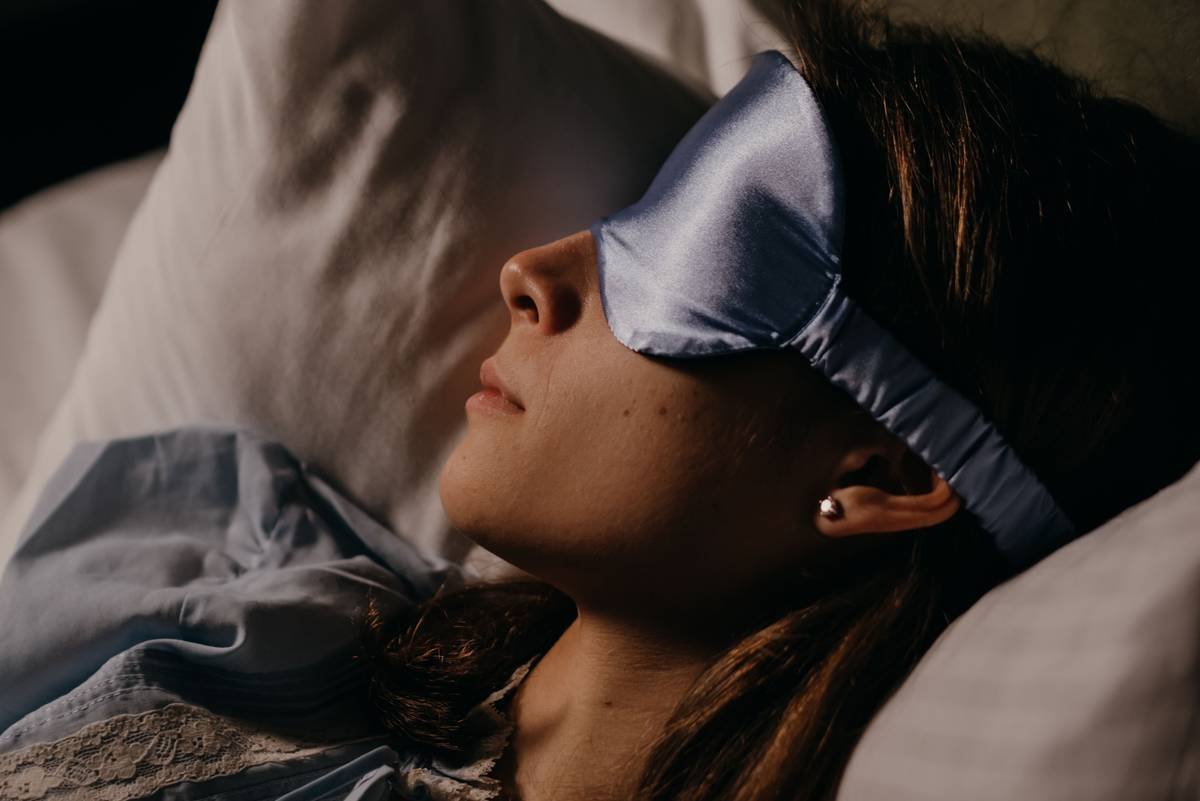
Use a silk pillowcase (duh) and avoid tossing like you’re fighting off zombies. If you’re a side sleeper, opt for flexible, bendable rollers (like the Scünci No Damage variety)—they contour better than rigid ones.
5 Best Practices for Flawless, Frizz-Free Results Every Time
- Never use on soaking wet hair: Waterlogged strands stretch under tension, leading to weak, droopy curls.
- Always use a heat protectant—even though there’s no heat: Many contain polymers that enhance shape memory (look for VP/VA copolymer on the label).
- Skip velcro rollers: They’re marketed as “easy,” but the tiny hooks rip cuticles during removal. Hard pass.
- Refresh with cold air: In the morning, blast rollers with a cool dryer setting for 10 seconds before unrolling to lock the shape.
- Clean your rollers monthly: Buildup breeds bacteria. Soak satin covers in diluted vinegar, rinse, and air dry.
Terrible Tip Disclaimer
“Wrap dry hair for instant volume!” Nope. Dry hair has zero elasticity—it snaps under tension. That “volume” is just broken strands standing upright. Not the glow-up you want.
Real Hair, Real Results: My 30-Day Sleep Roller Experiment
Last winter, I committed to using sleep rollers 3x/week for a month. My baseline: fine, straight, post-bleach hair prone to flatness and mid-shaft snapping.
Week 1: Mild success—but frizz halo by noon (forgot the anti-humidity spray).
Week 2: Switched to Kitsch Silk Rollers + OGX Renewing Argan Oil Mousse. Morning waves held until 4 p.m.!
Week 3–4: Noticed less breakage during brushing and actual root lift that lasted 2 days post-wash.
By day 30, my stylist asked if I’d gotten a perm. (I hadn’t.) The secret? Consistent, gentle reshaping trains hair to hold bends longer—anecdotal proof aligns with trichology principles about hair’s “memory” via hydrogen bonds.
Sleep Rollers FAQs: Answered by a Licensed Stylist (Who’s Also Tried Every Gimmick)
Can sleep rollers damage your hair?
Only if misused. Avoid tight tension, rough fabrics, or leaving them in >12 hours. When used correctly on damp (not wet) hair, they’re far gentler than hot tools.
How long do sleep roller waves last?
On average, 8–12 hours for fine hair; 24+ hours for coarse or curly types. Seal with a light-hold hairspray like Bumble and Bumble Hairspray Zero for extra staying power.
Are satin rollers better than foam?
Satin minimizes friction, but the core matters more. Memory foam molds without kinking; cheap foam loses shape fast. Look for dual-layer designs (satin exterior + high-density foam interior).
Can men use sleep rollers?
Absolutely! Longer-haired guys use them for beachy texture or to add volume to thinning crowns. Gender-neutral styling = win.
Conclusion
Sleep rollers aren’t magic—but they’re the closest thing to a heat-free, salon-level wave machine you can own. By choosing the right type (satin-covered, flexible), prepping hair at 80% dryness, and rolling away from your face, you’ll wake up to touchable, camera-ready texture without frying your strands. And remember: skip the dry-hair trap, clean your rollers monthly, and pair them with a silk pillowcase for max results.
Like a Tamagotchi, your hair needs daily care—if you forget to feed it love (and moisture), it dies. But nurture it with smart tools like sleep rollers? It thrives.
Damp hair, soft rolls,
Morning waves without the toll.
Skip the heat—let night unfold.