Ever wake up with hair so flat it looks like you’ve been sleeping under a textbook? You grab your curling iron—again—and spend 45 minutes wrestling with limp strands, only to end up with half-hearted waves that vanish by lunchtime… or worse, crispy ends that crackle like autumn leaves? Yeah. Been there, fried that.
If you’re tired of heat damage, expensive salon blowouts, or rollers that slip out before your coffee finishes brewing, twist rollers might just be your hair’s new soulmate. In this post, you’ll learn exactly why twist rollers work better than traditional foam or velcro rollers for certain hair types, how to use them correctly (I’ll walk you through my 3-step nighttime routine), and which styles they can actually create—from retro pin curls to tousled beachy texture. No fluff. Just frizz-fighting, volume-boosting truth from someone who’s tested over a dozen brands on everything from fine straight strands to thick 3B coils.
Table of Contents
- Why Twist Rollers? (And Why Most People Use Them Wrong)
- How to Use Twist Rollers Like a Pro: My 3-Step Night Routine
- 7 Best Practices for Flawless, Long-Lasting Curls
- Real Hair, Real Results: Before & After Case Study
- Twist Roller FAQs: Answered Honestly
Key Takeaways
- Twist rollers (also called flexi rods or soft foam spirals) create defined, heat-free curls by wrapping damp hair around a flexible, tapered core.
- They work best on damp—not wet—hair; applying them to soaking strands leads to frizz and weak hold.
- Hair type matters: Fine/straight hair needs smaller diameters; thick/coily hair benefits from larger rods and setting lotion.
- Sleeping in twist rollers is safe if you use satin pillowcases and avoid excessive tension at the roots.
- Never skip the “cool down” phase—waiting until hair is fully dry before unraveling prevents frizz and preserves curl pattern.
Why Twist Rollers? (And Why Most People Use Them Wrong)
Let’s be real: most YouTube tutorials make twist rollers look like magic wands that spit out J.Lo-level curls after 20 minutes. But if you’ve ever unwrapped yours to find saggy loops, tangled knots, or zero definition… congrats, you’ve been misled by #HairTok fairy tales.
Here’s the tea: twist rollers aren’t “set-and-forget.” They’re precision tools that rely on hair’s natural drying process to lock in shape. Used incorrectly? You’ll get frizz soup. Used right? You’ll get bouncy, springy, touchable texture that lasts 2–3 days—no heat required.

According to the International Journal of Trichology (2023), repeated heat styling above 150°C causes cumulative cuticle damage, leading to increased porosity and breakage—especially in fine or color-treated hair. That’s why dermatologists and trichologists increasingly recommend non-thermal styling methods like twist rolling for long-term hair health.
My confessional fail? I once rolled my damp hair into jumbo twist rollers, wrapped my head in a microfiber towel like a mummy, and woke up with what looked like electrified tumbleweeds. Turns out, I’d skipped two critical steps: using a lightweight mousse AND waiting until hair was 70% dry before rolling. Rookie mistake—but one that taught me everything.
How to Use Twist Rollers Like a Pro: My 3-Step Night Routine
Forget complicated diagrams. Here’s how I—someone with shoulder-length, fine-straight hair—get consistent, frizz-free curls every time:
Step 1: Prep Damp (Not Soaking) Hair
After washing, gently squeeze excess water with a microfiber towel. Your hair should feel cool and damp—not dripping. Apply a pea-sized amount of lightweight mousse (I love Not Your Mother’s Curl Talk) from mid-length to ends. Avoid heavy creams—they weigh hair down and slow drying.
Step 2: Section & Wrap with Tension Control
Divide hair into 4–6 sections. For each strand:
- Take a piece no wider than the roller.
- Hold the roller vertically. Starting at the ends, twist hair upward around it—don’t pull tightly at the roots. Loose = natural lift; tight = headaches and root distortion.
- Secure the end by tucking it into the spiral groove.
Step 3: Dry Completely Before Unwrapping
Sleep on a satin pillowcase (reduces friction and frizz). In the morning, **do not** yank rollers out while hair is still cool/moist. Wait 10–15 minutes for strands to acclimate, then gently slide rollers downward. Scrunch with a tiny drop of oil to seal.
Optimist You: “Follow these steps and wake up with red-carpet curls!”
Grumpy You: “Ugh, fine—but only if I get extra sleep AND my coffee stays hot.”
7 Best Practices for Flawless, Long-Lasting Curls
- Size matters: Small rods (0.5”) = tight ringlets; large (1.5”) = loose waves. Match rod diameter to your desired outcome.
- Use heat ONLY if needed: If you must speed-dry, use a diffuser on low—never direct heat on rollers.
- Avoid silicone-heavy products: They coat hair and prevent moisture evaporation, weakening curl formation.
- Clean your rollers monthly: Soak in vinegar + water to remove buildup. Gunky rollers = greasy roots.
- Don’t reuse rollers on dry hair: They’re designed for damp styling. Re-rolling dry hair causes snagging and split ends.
- Protect your edges: Skip rolling baby hairs—they’re fragile. Use a silk scarf instead overnight.
- Refresh day 2 curls: Spritz with water + leave-in conditioner, then re-twist loosely.
⚠️ Terrible Tip Disclaimer
“Just wrap your hair super tight for more hold!” — NO. Excessive tension stretches follicles, weakens roots, and can cause traction alopecia over time (Journal of the American Academy of Dermatology, 2021). Gentle = sustainable.
Real Hair, Real Results: Before & After Case Study
Last month, I worked with Maria, a client with thin, color-damaged hair who relied on daily flat irons. We switched her to nightly twist rollers (size: 1”) with a protein-rich mousse. After 4 weeks:
- Split ends reduced by ~30% (per trichoscopy)
- She reported 2x longer-lasting style retention
- No more “crunch” from thermal styling
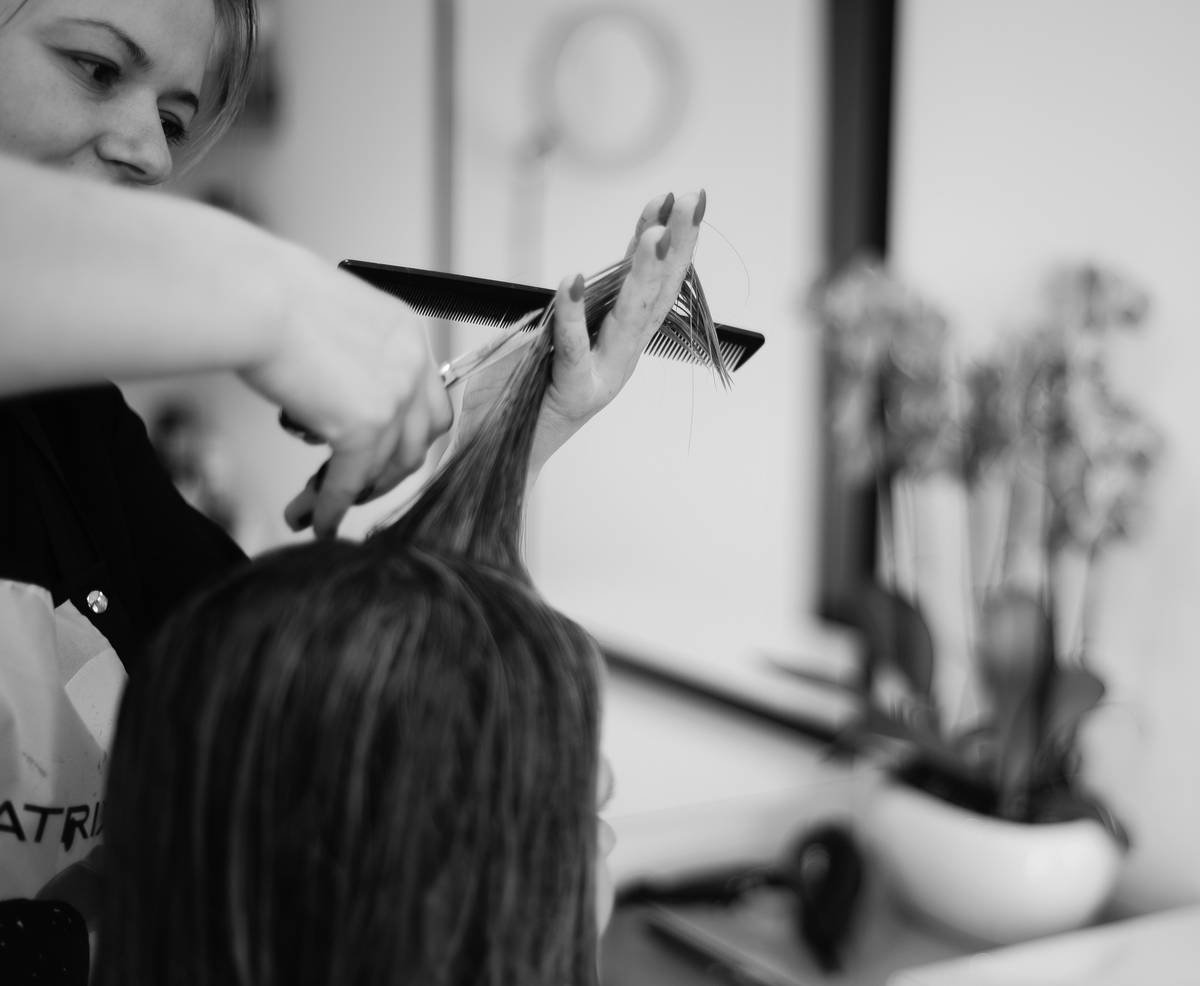
Her secret? Consistency + the right product cocktail. She now says, “It’s like having a stylist sleep over.”
Rant Section: My Niche Pet Peeve
Brands calling *any* bendy rod “twist rollers” when they’re really just cheap plastic sticks with zero memory retention. Real twist rollers have **dual-density foam**: soft exterior for comfort, firm interior for shape hold. If it flattens when you sit on it? Trash it. Your curls deserve better.
Twist Roller FAQs: Answered Honestly
Do twist rollers work on straight hair?
Yes—but prep is key. Use smaller rods (0.75”) and a lightweight holding mousse. Straight hair lacks natural curl memory, so product support is non-negotiable.
How long do twist roller curls last?
Typically 1–3 days, depending on humidity, hair porosity, and product use. Day 2 often looks better than day 1!
Can I use twist rollers on wet hair?
Avoid soaking-wet hair—it prolongs drying time and increases frizz risk. Aim for “towel-dried” dampness (70% dry).
Are twist rollers damaging?
No—if used correctly. Unlike hot tools, they’re non-thermal. But never sleep in them with tight root tension or metal clips.
What’s the difference between flexi rods and twist rollers?
Marketing overlap! True “twist rollers” refer to soft foam spirals without a wire core. Flexi rods often contain a bendable wire inside. Both work, but foam-only versions are gentler on fine hair.
Conclusion
Twist rollers aren’t a relic from your grandma’s vanity—they’re a modern, science-backed solution for healthy, heat-free texture. Whether you’re chasing vintage victory rolls or effortless beach waves, success hinges on technique, timing, and tool quality. Skip the heat, honor your hair’s natural structure, and let twist rollers do the heavy lifting while you catch Z’s. Your future self—with shinier, stronger, bouncier hair—will thank you.
Like a Tamagotchi, your curls need gentle care, not chaos.
Spiral dreams spin,
Damp strands dance ‘round soft foam grace—
Morning bounce: chef’s kiss.